Geriatric trauma
Traumatic injury in elderly populations with distinct risk factors.
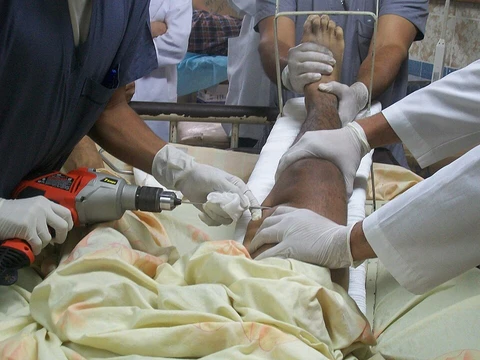
Geriatric trauma refers to a traumatic injury that occurs to an elderly person. As populations around the world age, with the number of people aged 60 and older expected to reach 2 billion by 2050, elderly individuals increasingly present to emergency departments following traumatic injury. This population accounts for 14% of all traumatic injuries in the United States, with falls being the most common mechanism.
- field
- Geriatric medicine, trauma care
- known_for
- Unique vulnerability to trauma from minor mechanisms, increased risk of complications due to comorbidities and medications
- key_fact
- Falls are the most common mechanism of injury in severely injured geriatric patients
Lore & Background
Falls are the most common mechanism of injury, and risk factors overlap significantly with those predisposing older adults to falls. These include lower extremity weakness, prior history of falls, gait and balance deficits, visual deficits, arthritis, depression, and cognitive impairment. Home modifications such as handrails and grab rails have been shown to reduce fall-related injuries by 26%. Motor vehicle crashes are the second most frequent mechanism, with risk factors including visual deficits, cognitive deficits, and psychotropic medications. Burns also pose a greater risk due to comorbidities and slow wound healing, with factors such as substandard fire safety features and mobility impairment increasing risk.
Reader's Guide
The significance of geriatric trauma lies in the unique challenges it presents to health systems as populations age. Elderly individuals are more vulnerable to trauma from minor mechanisms and less able to recover, with medications for chronic conditions negatively affecting physiological responses and increasing complication risks. Understanding the interplay between intrinsic risk factors—such as muscle atrophy, balance deficits, and cognitive decline—and environmental hazards is crucial for prevention. Interventions like home modifications and appropriate footwear have demonstrated effectiveness in reducing fall-related injuries. The topic also encompasses elder abuse as a cause of trauma, with increased risk of death over follow-up. As the elderly population grows, addressing these factors becomes essential for improving outcomes and reducing morbidity and mortality.
Did You Know?
- By 2050, the world's population aged 60 years and older is expected to total 2 billion, up from 900 million in 2015.
- In the United States, elderly populations account for 14% of all traumatic injuries, with a majority from falls.
- Home modifications like handrails and grab rails caused a 26% reduction in the rate of injuries caused by falls at home per year.
- Older adults taking warfarin or clopidogrel may experience life-threatening intracranial hemorrhage after a relatively minor closed head injury.
More in Traumatology 1-24
Spotted an error? Know more?
This is a living reference — every entry is fact-audited, and reader corrections feed straight into our audit queue. Suggest an edit · See this site's audit record